
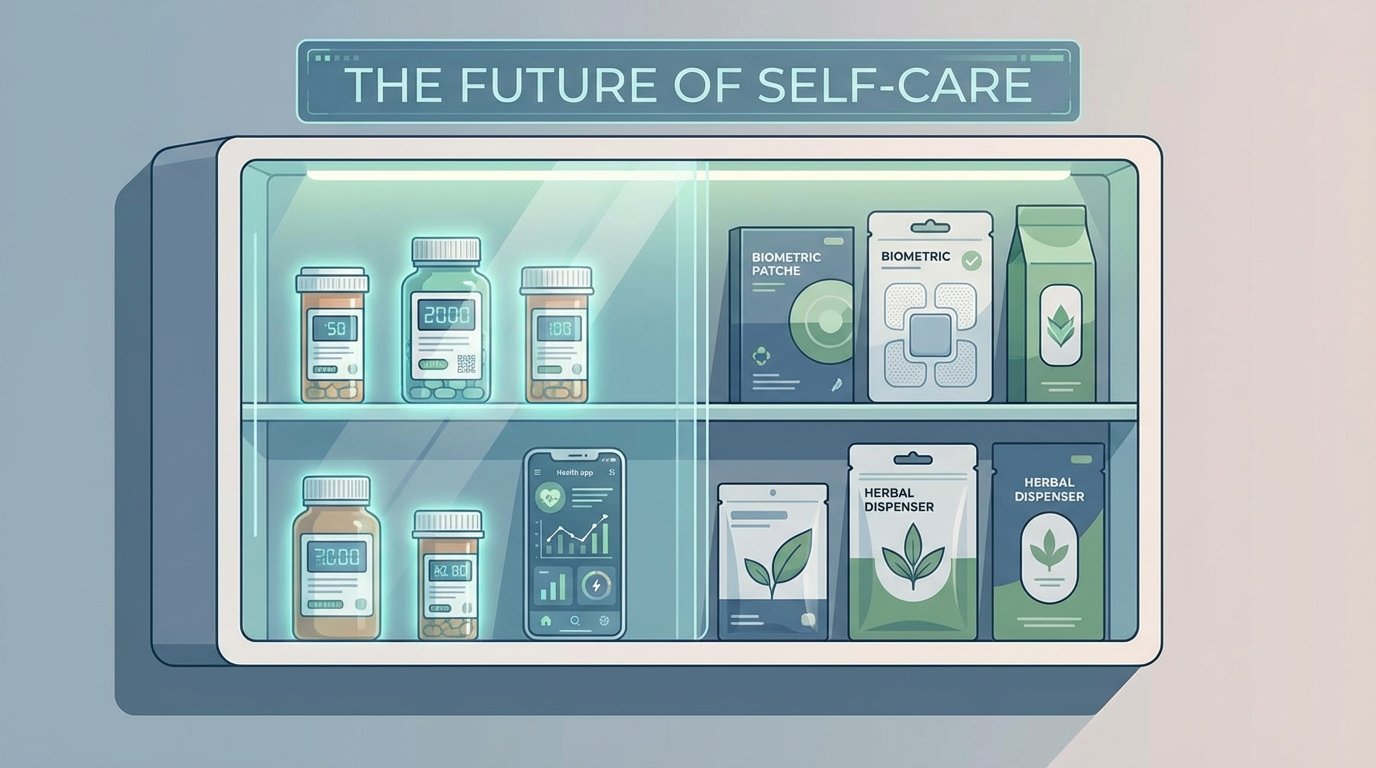
Self-care has moved from a soft wellness idea into a commercial operating model. People want earlier answers, simpler access, pharmacy guidance, symptom education, and support after purchase. That is a marketing change as much as a healthcare change.
The research baseline for this article combines US search intent from Ahrefs with official FDA and FTC guidance. The practical goal is not louder healthcare copy. It is a campaign architecture that can carry evidence, risk language, and commercial momentum at the same time.
Search Intent And Positioning
Primary keyword focus: self-care healthcare marketing. The opportunity is mostly educational: explain categories, routines, safety, pharmacy access, and when to seek professional care.
Regulatory Guardrails To Build Around
Self-care content still needs boundaries. For OTC and supplements, use FTC Health Products Compliance Guidance, FDA Dietary Supplement Products & Ingredients, and product labeling as the claim source. For Rx or diagnosis-led journeys, keep patient education separate from product promotion unless the review route supports it.
This article is marketing strategy content, not legal, regulatory, or medical advice. Final claims should be reviewed by the brand owner, legal counsel, and medical-regulatory reviewers.
A Practical Campaign Framework
| Decision | What to define | Why it matters |
|---|---|---|
| User need | Fast symptom understanding and next step | Content has to be useful before it sells |
| Brand role | Guide, not remote prescriber | Trust drops when copy overreaches |
| Commercial role | Connect education to pharmacy, retail, CRM, and support | Self-care needs a complete journey |
The practical rule is simple: do not let the media plan decide the claim. The claim decides how much context, review, and destination support the media plan needs.
Channel Decisions
| Channel | Best role | Main risk |
|---|---|---|
| SEO hub | Answer early questions | Content becomes diagnosis without review |
| Pharmacy content | Support professional guidance | Retail copy overpromises |
| CRM | Build routine and adherence | Personalization feels medical without safeguards |
| Paid media | Route demand | Fear-based urgency |
Every channel should have a job it can realistically perform. If a format cannot show the qualification, limitation, or risk context that makes the claim accurate, the format should route to a deeper page instead of carrying the full promise alone.
Teapot POV
The best self-care brands act like calm systems. They educate before conversion, show limits clearly, route people to professionals when needed, and use CRM to support behavior without pretending to be medical care.
For pharma and healthcare teams, this is where strategy becomes implementation: one evidence file, one claim map, one route from content to conversion, and one measurement model that separates attention from qualified action.
FAQ
Is self-care the same as wellness?
No. Self-care includes practical health decisions, OTC use, pharmacy advice, routines, and knowing when professional care is needed.
Can brands give medical advice?
Brands should be careful. Education can help, but diagnosis and treatment advice need proper clinical and regulatory governance.
Where should self-care content live?
Usually across SEO hubs, pharmacy pages, retail PDPs, CRM, and support content, not in a single campaign landing page.
Practical Next Step
Before creative production starts, write a one-page claim map: audience, allowed claim, proof source, channel, review owner, and destination page. If the claim cannot fit that memo cleanly, the campaign is not ready for media spend. For a deeper service view, start with Teapot Pharma or talk to us.