
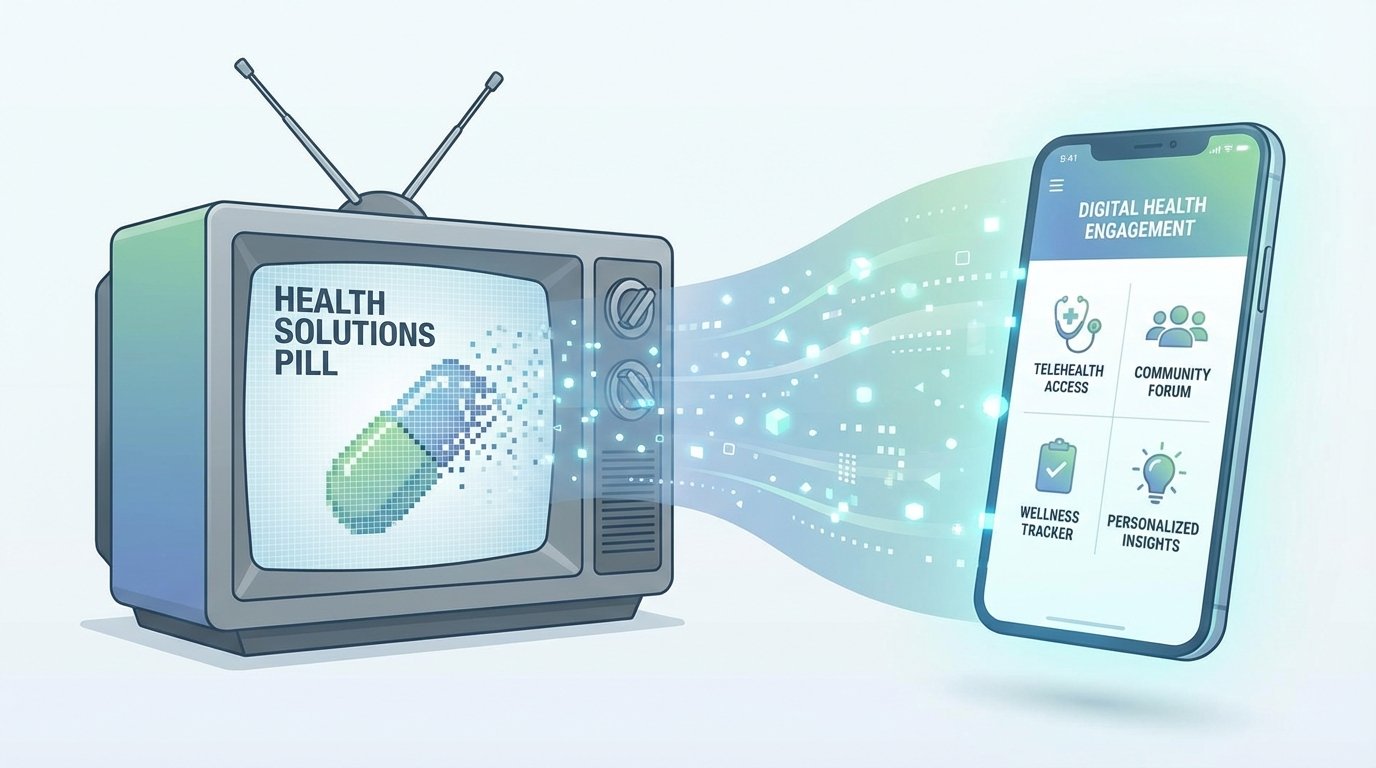
The old TV pill ad assumed one mass audience, one emotional promise, and one media moment. In 2026, OTC and supplement buyers behave differently: they search symptoms, compare ingredients, watch creators, read reviews, check pharmacies, and expect the brand to answer practical questions before purchase.
The research baseline for this article combines US search intent from Ahrefs with official FDA and FTC guidance. The practical goal is not louder healthcare copy. It is a campaign architecture that can carry evidence, risk language, and commercial momentum at the same time.
Search Intent And Positioning
Primary keyword focus: OTC marketing. Ahrefs showed broad US demand around OTC and dietary supplement topics, but the commercial opportunity is not the head term alone. The useful cluster is lower-funnel: ingredient questions, safety comparisons, category education, pharmacy availability, and “does this work for me?” content.
Regulatory Guardrails To Build Around
For supplements and OTC products, the claim system matters more than the media format. The FTC Health Products Compliance Guidance focuses on truthful, non-misleading claims and competent substantiation. FDA resources such as FDA Dietary Supplement Products & Ingredients and FDA Structure/Function Claims also separate structure/function language from disease-treatment claims.
This article is marketing strategy content, not legal, regulatory, or medical advice. Final claims should be reviewed by the brand owner, legal counsel, and medical-regulatory reviewers.
A Practical Campaign Framework
| Decision | What to define | Why it matters |
|---|---|---|
| Claim lane | Structure/function, OTC indication, support, testimonial, or comparison | Each lane needs different evidence and review depth |
| Demand capture | Search pages, retail pages, pharmacy content, email, creator briefs | Buyers move across channels before deciding |
| Evidence file | Study, label, ingredient source, disclaimer, review owner | Performance copy needs proof before scale |
The practical rule is simple: do not let the media plan decide the claim. The claim decides how much context, review, and destination support the media plan needs.
Channel Decisions
| Channel | Best role | Main risk |
|---|---|---|
| TV/video | Reach and category memory | Benefit-only storytelling without claim balance |
| Search/SEO | High-intent education and comparison | Landing page says more than evidence supports |
| Retail media | Conversion near the shelf | Promo language outruns label language |
| Creators | Trust and explanation | Testimonials imply guaranteed results |
Every channel should have a job it can realistically perform. If a format cannot show the qualification, limitation, or risk context that makes the claim accurate, the format should route to a deeper page instead of carrying the full promise alone.
Teapot POV
Treat TV as one reinforcement layer, not the strategy. The strategy is a claim-safe content system: symptom education, ingredient pages, pharmacy availability, offer governance, creator scripts, and CRM that answers the next question instead of repeating the same promise.
For pharma and healthcare teams, this is where strategy becomes implementation: one evidence file, one claim map, one route from content to conversion, and one measurement model that separates attention from qualified action.
FAQ
Is TV dead for OTC brands?
No. TV can still build memory, but it should connect to search, retail, and CRM journeys where the brand can explain claims properly.
Can creators talk about supplement results?
Yes, but creator content needs disclosure, substantiation, and careful review of implied claims. A personal story can still imply a health outcome.
What should replace the old TV-first brief?
A claim map, search content plan, retail media plan, creator rules, and measurement model that separates reach from qualified action.
Practical Next Step
Before creative production starts, write a one-page claim map: audience, allowed claim, proof source, channel, review owner, and destination page. If the claim cannot fit that memo cleanly, the campaign is not ready for media spend. For a deeper service view, start with Teapot Pharma or talk to us.